%2Ffit-in%2F250x250%2Fguide_websites%2F3430%2Fimages%2Fmiller_time_logo.png&w=1920&q=100)
Amberjack & Barracuda Catch in Islamorada FL
Islamorada Fishing Charter - Targeting Offshore Species
%2F%2Fusers%2F1c84077c-27d5-4850-8417-227392e54797%2Fimages%2Fislamorada-amberjack-barracuda-charter-catch-2740.jpg&w=1920&q=75)
Fishing Charter by Captain Troy Warren in May
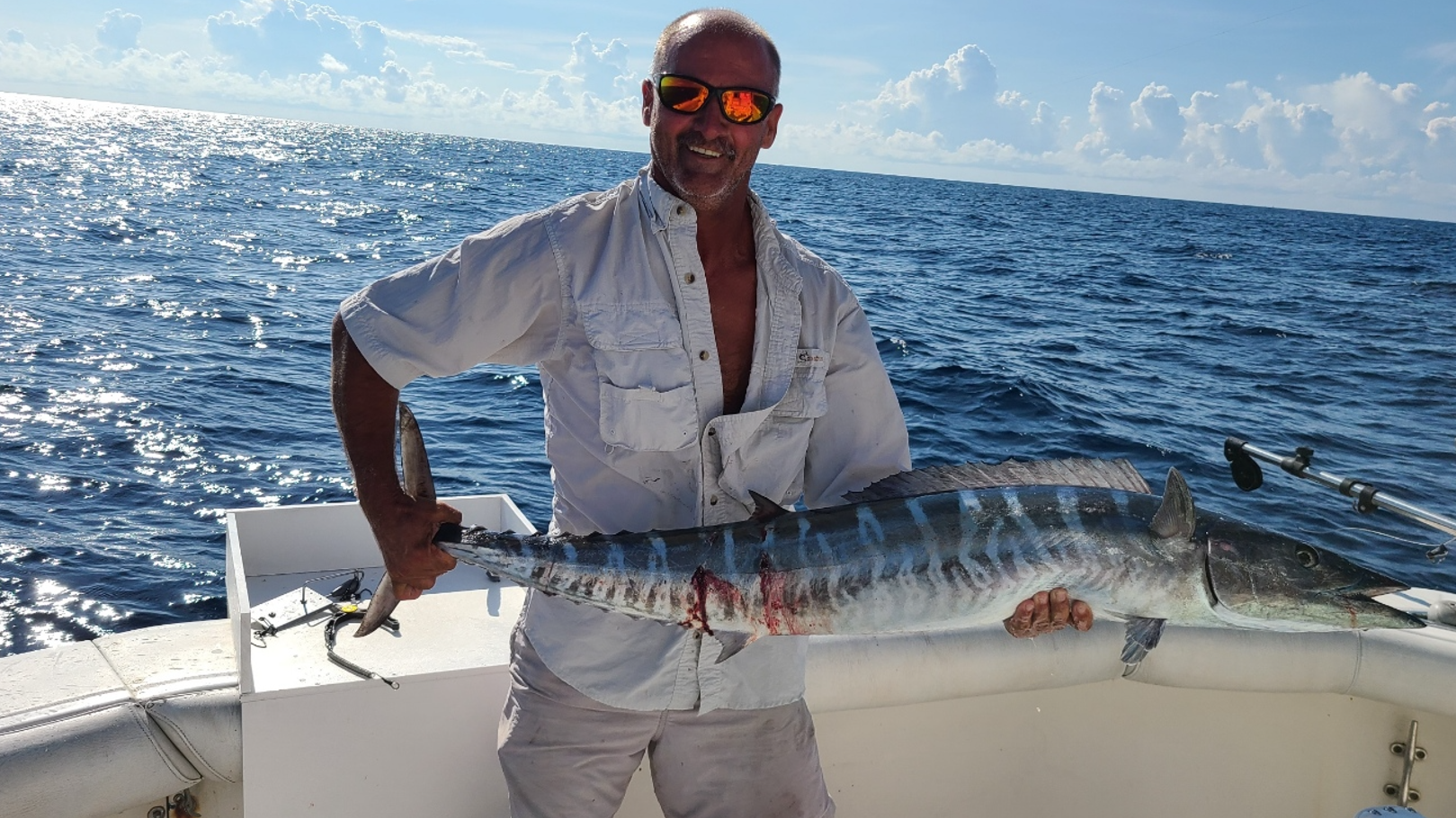
Meet your Captain Troy Warren
- Millertime Sportfishing in Islamorda Florida!


Summary
Experience a productive fishing charter in Islamorada on Thursday, May with Captain Troy Warren of Miller Time Sportfishing. This charter targets multiple species including Greater Amberjack, Great Barracuda, Atlantic Bonito, and Skipjack Tuna in the dynamic offshore and nearshore waters of the Florida Keys.
Fishing Charter with Captain Troy Warren - Rates & Booking
Captain Troy Warren of Miller Time Sportfishing operates out of Islamorada on Thursday, May offering professional fishing charters targeting the diverse species found in the Florida Keys waters. For specific rates, inclusions, and availability, contact Miller Time Sportfishing directly to reserve your charter date and learn about group sizes and package details.
This fishing charter provides the opportunity to pursue multiple species in a single outing, allowing anglers to experience varied fishing techniques and conditions. All necessary fishing gear and expertise are provided by your experienced captain to maximize your success on the water.
Highlights of Your Islamorada Fishing Experience
The waters around Islamorada offer consistent opportunities for catching quality gamefish. Greater Amberjack, Great Barracuda, Atlantic Bonito, and Skipjack Tuna are abundant in these productive waters, each presenting different challenges and rewards. The combination of reef structures, drop-offs, and open water creates diverse habitats where these species thrive year-round.
Captain Troy's local knowledge combined with Miller Time Sportfishing's reputation ensures you'll be fishing proven locations with techniques tailored to current conditions. Whether you're targeting aggressive surface-feeding barracuda or structurally-oriented amberjack, the charter maximizes your exposure to exciting offshore fishing action.
Local Species Insights: Amberjack, Barracuda, Bonito & Tuna
The Greater Amberjack is a powerful reef fish that inhabits rocky outcrops and wreck structures throughout the Keys. These fish are known for their aggressive strikes and strong runs, making them prized by offshore anglers. Amberjack typically feed on smaller fish and crustaceans near structure, so effective fishing involves presenting baits or lures near bottom obstructions.
Great Barracuda are highly visible predators that patrol the water column searching for prey. Their streamlined bodies and razor-sharp teeth make them efficient hunters. Barracuda respond well to both live bait and artificial lures, often striking with explosive force. These fish are found in both shallow coastal waters and deeper offshore zones around Islamorada.
Atlantic Bonito are fast-swimming pelagics that school in the open water. These fish have sleek, torpedo-shaped bodies built for speed and endurance. Bonito feed on small baitfish and respond aggressively to small jigs and trolled offerings. They're excellent fighters known for sustained runs and aerial displays.
Skipjack Tuna represent another pelagic option in Islamorada's waters. These streamlined fish are built for speed and typically feed on small schooling fish near the surface. Skipjack are found both in open water and around structure, and they respond well to fast-moving lures and live bait presentations. Their fighting ability and speed make them exciting targets for recreational anglers.
The Islamorada environment combines reef systems, deep channels, and open water, creating ideal conditions for these diverse species to coexist. The Gulf Stream's influence brings warmer water and enhanced food sources, supporting year-round populations of these gamefish. Understanding where each species prefers to hunt and feed is key to successful fishing in this region.
Water conditions in Islamorada vary seasonally, but the overall environment supports active feeding throughout the year. The mix of structure and open water means anglers can adjust techniques and target zones based on conditions and species preference. Captain Troy's experience reading these conditions ensures your charter time is spent in productive areas where these species are actively feeding.
Fishing in Islamorada: Great Barracuda, Skipjack Tuna, Greater Amberjack and Atlantic Bonito
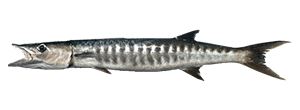
Great Barracuda Overview
The Great Barracuda (Sphyraena barracuda) is one of the ocean's most iconic apex predators, belonging to the family Sphyraenidae within the order Perciformes. Known for its sleek, torpedo-shaped body, razor-sharp teeth, and lightning-fast hunting strikes, this fish has earned both respect and a touch of mystique among anglers and ocean enthusiasts worldwide. With speeds reaching 35 miles per hour and a reputation as a tenacious fighter, the Great Barracuda offers an unforgettable experience whether you're snorkeling off the Florida Keys or casting lines along the Atlantic Coast. Despite their fearsome reputation, attacks on humans are extraordinarily rare—yet the mere possibility has cemented them as one of the ocean's most fascinating and misunderstood predators.
What makes the Great Barracuda truly special is its combination of raw power, intelligence, and unpredictable behavior. These fish are naturally curious, often approaching divers and anglers not with aggressive intent, but out of genuine interest in shiny objects or potential food sources. Their silvery, streamlined appearance allows them to blend seamlessly with open water, making them master ambush hunters that rely on sight and explosive bursts of speed to capture prey.
Great Barracuda Habitat and Distribution
The Great Barracuda thrives in tropical and subtropical waters around the globe, with populations concentrated near shore in coral reefs, seagrass beds, and mangrove systems. In the United States, they're commonly found along the entire Atlantic seaboard from Massachusetts down through the Gulf of Mexico and the Florida Keys, though they rarely venture into the eastern Pacific. These fish are particularly abundant near the surface of the water, where mature specimens patrol reef structures and rocky outcrops in search of schooling prey.
These predators are typically solitary hunters, though they occasionally form loose hunting groups to encircle and trap schools of smaller fish. During spawning season—generally occurring in spring—they aggregate in specific areas, creating temporary concentrations that attract both commercial and recreational anglers. While they prefer nearshore environments, they're known to venture into deeper open ocean when food becomes scarce, demonstrating remarkable adaptability to different marine ecosystems.
Great Barracuda Size and Weight
Great Barracudas display impressive size variation depending on age and environmental factors. Young specimens typically range from 24 inches, while mature adults average between 24 to 48 inches in length. The largest recorded specimens reach up to 79 inches (over 6.5 feet), with weights ranging from 5 pounds for smaller juveniles to an impressive 103 pounds for trophy-sized individuals. This considerable size range means that every angling encounter presents a unique challenge—hooking a young 5-pounder is exciting, but landing a 100-pound monster is an experience that defines careers.
The barracuda's slender, streamlined physique allows it to achieve remarkable speed relative to its mass, making even smaller specimens surprisingly powerful fighters that can strip line from a reel with breathtaking speed.
Great Barracuda Diet and Behavior
As apex predators, Great Barracudas are aggressive hunters that primarily feed on herrings, sardines, and small tunas, but they're opportunistic enough to consume shrimp, octopi, and virtually any marine animal small enough to fit in their mouths. They hunt primarily by sight, relying on movement and contrast to identify prey—a trait that explains their attraction to bright, shiny fishing lures and jewelry worn by snorkelers.
These fish are naturally inquisitive and territorial, often approaching unfamiliar objects to investigate. When hunting in groups, they employ sophisticated tactics, circling and trapping prey schools in coordinated patterns that showcase surprising intelligence for a fish. Their hunting style is explosive—brief, powerful bursts of acceleration that leave little time for escape. Despite their fearsome reputation, Great Barracudas rarely attack humans. The last recorded fatal attack occurred in the 1950s off Key West and North Carolina, making such incidents statistically rarer than shark encounters. Most interactions with divers and snorkelers occur out of curiosity rather than aggression, though simple precautions like removing shiny jewelry significantly reduce any theoretical risk.
Great Barracuda Spawning and Seasonal Activity
Great Barracudas typically spawn during spring months when they aggregate in specific shallow-water zones, creating peak fishing opportunities for anglers who know where to look. Their reproductive cycle drives seasonal migrations and temporary congregations that can transform a quiet reef into an angler's paradise. Outside of spawning season, they remain relatively dispersed throughout their range, though they tend to be more active during warmer months and during feeding periods tied to baitfish migrations.
Year-round presence in their native range means that opportunities exist throughout the calendar, though spring and early summer typically offer the most consistent action for both recreational and tournament anglers.
Great Barracuda Techniques for Observation or Capture
Live Bait Casting: Deploy live mullet, sardines, or herring near reef structures and drop-offs where Great Barracudas patrol. Cast along the edges of reefs and wrecks, allowing bait to swim naturally in open water where these predators hunt. Use medium-weight spinning or baitcasting gear with 20-30 pound test line, as the fish's sharp teeth can fray lighter line. Allow the fish to take the bait with minimal resistance—they're aggressive eaters that rarely hesitate once committed. Around coastal areas like Miami and Key West, live bait fished near coral formations during dawn and dusk periods produces excellent results.
Artificial Lure Retrieval: Cast shiny, high-visibility lures like chrome-plated spoons, metallic jigs, or streamer flies near structure and open water adjacent to reefs. Use aggressive, erratic retrieves that mimic injured baitfish—quick strips followed by pauses often trigger strikes from curious or hungry fish. The Great Barracuda's sight-driven hunting means that bright colors and high contrast patterns work exceptionally well. Barracudas in Key West are particularly responsive to topwater plugs during low-light conditions.
Sight-Casting to Visible Fish: When you spot individual Great Barracudas in clear shallow water, lead them with your cast and retrieve directly across their field of vision. These fish are visual hunters that can't resist movement in their peripheral awareness. Use 1-2 ounce lures that create significant water disturbance and visual appeal. This technique requires stealth and patience but rewards careful anglers with explosive, memorable strikes.
Great Barracuda Culinary and Utilization Notes
While the Great Barracuda possesses firm, white meat that's technically edible, it's rarely consumed due to the risk of ciguatera—a form of food poisoning caused by toxins accumulated in large predatory fish from tropical waters. Larger specimens (over 5 pounds) carry higher ciguatera risk, making smaller barracudas theoretically safer options, though most anglers avoid eating them entirely. The species' true value lies not in culinary application, but in recreational opportunity—anglers prize them as gamefish specifically because of their challenging fighting ability, explosive strikes, and acrobatic leaps rather than table fare potential.
The Great Barracuda's role as an apex predator makes it ecologically valuable, and most modern catch-and-release practices support sustainable populations. Tournament anglers focus on catch-and-release protocols that minimize stress and maximize survival rates.
Great Barracuda Frequently Asked Questions
Q: What is the best bait for catching Great Barracuda?
A: Live mullet, sardines, herring, and mackerel are top choices, as they mimic the natural prey species that barracudas actively hunt. Shiny metal spoons and chrome jigs also work excellently, appealing to their sight-driven feeding behavior. Cast near structure during early morning and late afternoon when feeding activity peaks.
Q: Where can I find Great Barracuda near the Florida Keys or coastal cities?
A: Great Barracudas are abundant around coral reefs, shipwrecks, and mangrove edges throughout the Florida Keys and Atlantic coastal areas. Key West reef systems, along with nearshore structures in Miami and the upper Keys, provide reliable opportunities year-round. Hire a local charter captain familiar with structure locations for optimal results.
Q: Is the Great Barracuda safe to eat?
A: While technically edible, Great Barracuda carries significant ciguatera poisoning risk, especially larger specimens over 5 pounds. Most anglers practice catch-and-release, as the species' true value is recreational. If consumption is considered, keep only very small fish and check local health advisories.
Q: When is the best time to catch Great Barracuda?
A: Spring spawning season (March-May) provides peak aggregations and aggressive feeding behavior. Summer months remain productive, and fall can be excellent depending on location. Early morning and late afternoon periods consistently outperform midday fishing, when light penetration and fish activity favor anglers.
Q: Why do Great Barracudas approach divers and snorkelers?
A: Barracudas are naturally curious and hunt primarily by sight. They investigate unusual objects and shiny items (jewelry, watches, camera equipment) as potential prey. Removing bright objects and maintaining calm behavior virtually eliminates any risk of negative encounters.
Q: How do I land a large Great Barracuda safely?
A: Use a quality landing net and wear cut-resistant gloves—those razor-sharp teeth can cause serious injury if the fish is handled carelessly. Never attempt hand-landing a large specimen. Bring the fish to the net head-first, and consider using a dehooking tool if catch-and-release is your goal. Trophy specimens over 75 pounds may attempt to jump or bite during final moments of fatigue, requiring extra caution and experience.
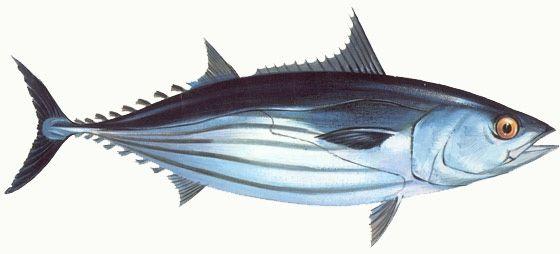
Skipjack Tuna Overview
The Skipjack Tuna (Katsuwonus pelamis), a member of the Scombridae family and classified in the order Perciformes, is one of the most recognizable and commercially important tuna species in the world. These sleek, torpedo-shaped fish are distinguished by their characteristic dark purple or blue backs, silver lower sides, and striking 4-6 vertical dark bands running along their bodies—a feature that gives them their distinctive appearance. What makes Skipjack particularly fascinating is their incredible abundance; they're the most commonly used tuna in the canned tuna industry, especially in canned light tuna products. Whether you're an offshore angler in Miami, a commercial fisherman, or simply curious about pelagic species, the Skipjack represents one of the ocean's most dynamic and prolific hunters.
Skipjack Tuna Habitat and Distribution
Skipjack Tuna thrive in tropical and sub-tropical waters across the Atlantic Ocean, Pacific Ocean, and Indian Ocean, with the highest concentrations found near the equator. These pelagic fish prefer temperatures between 15°F and 30°F and inhabit the open ocean far below the continental shelf. During the day, they typically descend to depths around 850 feet, but when feeding or at night, they swim near the surface where they're most accessible to anglers. The species is highly migratory, constantly on the move in search of food and optimal water conditions. They're often found schooling with juvenile Yellowfin and Bigeye Tuna, creating opportunities for anglers targeting multiple species simultaneously. Their wide distribution and preference for offshore environments make them a staple in tropical and temperate fisheries worldwide.
Skipjack Tuna Size and Weight
Skipjack Tuna are known for their rapid growth rates compared to other tropical tuna species. While they can reach maximum lengths of approximately 4 feet and weights up to 76 pounds, the average recreational catch typically ranges between 2 to 3 feet in length and around 20 pounds in weight. Most anglers can expect to land fish in the 18 to 40-pound range during typical fishing expeditions. Despite their impressive growth speed, Skipjack have a relatively short lifespan of only 8 to 12 years, which contributes to their high reproductive rates and abundant populations throughout their range.
Skipjack Tuna Diet and Behavior
These aggressive hunters are opportunistic feeders that prey on a diverse diet including herring, small fish, and crustaceans. Their not-fussy approach to food makes them exciting targets for anglers using a variety of baits and lures. Skipjack are highly social fish, traveling in large, organized schools that move constantly through the water column. They're known for being easily spooked, requiring anglers to approach with stealth and precision. Their explosive feeding behavior—particularly when they rise to the surface in feeding frenzies—creates spectacular displays and excellent opportunities for experienced anglers. The species' aggressive nature and schooling behavior make trolling an exceptionally effective technique, as covering open water often rewards patient fishermen with multiple strikes in quick succession.
Skipjack Tuna Spawning and Seasonal Activity
Female Skipjack demonstrate remarkable reproductive capacity, producing between 100,000 and 2 million eggs annually and spawning as frequently as once per day during peak breeding seasons. Eggs hatch within approximately one day of fertilization, allowing for rapid population replenishment. This extraordinary fecundity, combined with their quick growth rates, explains why Skipjack maintain such abundant populations despite heavy commercial fishing pressure. Seasonal patterns vary by geographic region, but they generally remain active year-round in tropical waters, with peak feeding activity during warmer months in temperate zones. Migration patterns often bring them closer to shore during specific seasons, creating prime fishing windows for both recreational and commercial operations.
Skipjack Tuna Techniques for Observation and Capture
Trolling (Recommended Primary Method): Trolling at speeds of 4-6 knots with a hoochie rig is the most effective technique for Skipjack, particularly when targeting schools. Position your boat to circle schools carefully, allowing your bait to troll as close as possible—ideally drifting directly through the school if conditions permit. Maintain your rig at upper water column depths where these fish typically feed. Alternative trolling baits include feathers, plugs, and spoons. When schools aren't visible, maintain steady trolling at reasonable distances behind the boat, as Skipjack often investigate trailing baits.
Jigging and Live Bait: When fish are actively feeding at the surface, switch to jigging with live bait for increased success, particularly when targeting larger individuals deeper in the water column. Pink feathers, squids, artificial skirts, and swimming ballyhoo prove highly effective. The combination of jigging action and natural or artificial lure movement triggers aggressive strikes from feeding Skipjack.
Fly Fishing: Dedicated fly fishermen enjoy success with epoxy patterns, sand eel imitations, and small deceiver patterns. This specialized approach works best during surface feeding periods when fish are aggressive and accessible. Around offshore fishing hubs in Florida, Hawaii, and California, charter services often report peak Skipjack action during early morning and late afternoon feeding windows.
Skipjack Tuna Culinary and Utilization Notes
The Skipjack Tuna's culinary value is exceptional, offering excellent eating quality with firm, flavorful flesh. As the primary species in commercial canned tuna production, particularly canned light tuna products, the species demonstrates outstanding versatility in the kitchen. Fresh Skipjack can be grilled, seared, or prepared sashimi-style, with a mild flavor that appeals to diverse palates. The species' sustainability status, managed through organizations like ICCAT (International Commission for the Conservation of Atlantic Tuna), reflects efforts to maintain healthy populations while supporting commercial and recreational fisheries. High protein content and omega-3 fatty acids make Skipjack a nutritious protein source, whether consumed fresh, canned, or prepared in traditional dishes across Pacific and Atlantic fishing communities.
Skipjack Tuna Frequently Asked Questions
Q: What is the best bait and tackle setup for catching Skipjack Tuna?
A: A hoochie rig trolled at 4-6 knots represents the gold standard for Skipjack, though feathers, plugs, spoons, and live bait also produce excellent results. Use medium to heavy-duty tackle with 20-30 pound line to handle the species' powerful runs and aggressive head-shaking. When fish are feeding at the surface, switch to jigging with pink feathers or artificial skirts for more active engagement.
Q: Where can I find Skipjack Tuna near popular fishing destinations?
A: Skipjack are distributed across tropical and temperate oceans worldwide. In the Atlantic, they're abundant off Florida's east coast and throughout the Caribbean. Pacific populations thrive off Hawaii, Southern California, and throughout Southeast Asian waters. Indian Ocean populations concentrate near equatorial regions. Charter services in Miami, San Diego, and Honolulu regularly target this species offshore beyond the continental shelf.
Q: What makes Skipjack Tuna different from other tuna species?
A: Skipjack are smaller and faster-growing than Bluefin or Yellowfin Tuna, with distinctive vertical dark bands on their lower bodies. They're the most abundant tuna species in open oceans and the primary tuna used in canned products. Their aggressive schooling behavior and willingness to strike multiple baits make them excellent targets for recreational anglers seeking action-packed fishing.
Q: Is Skipjack Tuna good to eat, and is it sustainable?
A: Yes, Skipjack offers excellent culinary quality with firm, flavorful flesh perfect for grilling, searing, or canning. The species is sustainably managed by ICCAT, which monitors populations across Atlantic, Pacific, and Indian Ocean fisheries. While commercially abundant, responsible fishing practices ensure healthy populations for future generations of anglers and consumers.
Q: When is the best time to fish for Skipjack Tuna?
A: Skipjack remain active year-round in tropical waters, with peak activity during warmer seasons in temperate zones. Early morning and late afternoon feeding windows provide the most reliable action. Seasonal migrations bring concentrations closer to specific regions during particular times of year, so local charter services can provide specific timing recommendations for your target area.
Q: Why do Skipjack travel in schools, and how does this affect fishing strategy?
A: Skipjack's schooling behavior provides protection and coordinated hunting advantages in open ocean environments. This social structure means finding one fish often means finding dozens or hundreds. Trolling is particularly effective because you can cover water systematically, and once you hook into a school, multiple strikes often follow in rapid succession. Approach schools carefully—these fish spook easily if the boat moves too aggressively through their formation.

Greater Amberjack Overview
The Greater Amberjack (Seriola dumerili) is a prized saltwater game fish belonging to the family Carangidae and order Perciformes. Known for its distinctive bluish-grey coloring and characteristic amber stripe running along its body, this powerful predator is one of the most sought-after species by recreational anglers across North America. With its slender frame, pointed head, and aggressive feeding behavior, the Greater Amberjack stands out in offshore and reef environments as a true test of skill and endurance. This fish is not only popular for its size—reaching up to 6 feet in length—but also for its high-quality meat and significant commercial value. Whether you're fishing off the Gulf of Mexico or exploring the Caribbean, encountering a Greater Amberjack represents an unforgettable offshore adventure.
Greater Amberjack Habitat and Distribution
Greater Amberjack are found along the eastern coast of the United States in the Atlantic Ocean, ranging through the Gulf of Mexico to the Caribbean Sea. These fish thrive in offshore environments, particularly around reefs and wrecks where they hunt smaller fish and invertebrates. The species is native to these waters and has become a cornerstone of both recreational and commercial fisheries throughout the region. Their preference for structure—whether natural reefs or artificial wrecks—makes them relatively predictable targets for experienced anglers who know how to work these habitats effectively.
Greater Amberjack Size and Weight
These impressive fish typically grow between 60 to 75 inches in length, with weights ranging from 40 to 200 pounds. On average, Greater Amberjack reach around 39 pounds, though larger specimens are regularly caught. They can live up to 17 years in the wild, reaching sexual maturity at approximately 4 to 5 years of age. Interestingly, female Greater Amberjack tend to grow larger and live longer than their male counterparts, making them particularly prized catches for trophy-focused anglers.
Greater Amberjack Diet and Behavior
As apex predators in their marine ecosystem, Greater Amberjack are aggressive and opportunistic feeders. Their diet consists primarily of smaller fish and marine invertebrates, including squid, crustaceans, sardines, and bigeye scad. This species is not particularly picky about its prey, which works to the advantage of anglers using a variety of lures and baits. The fish display explosive feeding behavior, particularly when excited or competing for food, which is when the distinctive dark amber stripe on their head becomes even more pronounced. Their position at the top of the marine food chain means they accumulate higher levels of natural toxins, which is worth considering for culinary purposes.
Greater Amberjack Spawning and Seasonal Activity
The Greater Amberjack spawning period occurs from April through May, making spring an exciting time for offshore anglers. During this reproductive season, fish congregate in deeper waters and may be more aggressive as they prepare for spawning events. Understanding this seasonal pattern helps anglers time their trips for optimal encounters with active, feeding fish. The species maintains relative activity throughout the year in offshore and reef environments, though spring and early summer typically offer the best combination of accessibility and aggressive behavior.
Greater Amberjack Techniques for Observation or Capture
Trolling and Drifting: One of the most effective methods for Greater Amberjack involves trolling or drifting over known reef and wreck structures. Anglers use heavy rods and reels with lines testing 50 pounds or more, equipped with metal jigs, spoons, or plugs. This technique allows you to cover water systematically and present lures at the right depth where these fish patrol. Around popular offshore destinations along the Gulf Coast, guides often recommend drifting with live baitfish—particularly sardines or other small fish—which consistently produce results due to the species' predatory nature.
Casting and Light Tackle: Experienced anglers can achieve success with lighter spinning and baitcasting rigs, and even fly rods in certain conditions. Jigs, poppers, and fly streamers work exceptionally well when casting around wreck structures or reef formations. This method requires precision and patience but offers the added excitement of sight-casting and feeling direct strikes through lighter tackle. The key is accurate placement near structure combined with aggressive retrieves that trigger competitive feeding responses.
Live Baitfish Presentation: Whether using heavy or light tackle, presenting live baitfish—particularly larger specimens—remains one of the most reliable techniques for targeting Greater Amberjack. Live fish appeal to their predatory instincts and often outperform artificial lures, especially when fishing deeper wreck environments where the fish may be less reactive to visual stimuli. Slow presentations that allow the baitfish to move naturally often result in explosive strikes.
Greater Amberjack Culinary and Utilization Notes
Greater Amberjack is greatly prized for its high-quality meat and represents one of the most commercially important species around the Mediterranean, and in North and South America. The flesh is firm, mild, and versatile for cooking, making it popular in both recreational and commercial markets. However, potential anglers should be aware that as an apex predator, Greater Amberjack can accumulate ciguatera toxins, particularly in larger specimens from tropical waters. This doesn't prevent consumption, but it's worth researching specific locations and considering fish size when deciding whether to keep your catch for culinary purposes. Many anglers practice catch-and-release to preserve populations while still enjoying the thrill of the fight.
Greater Amberjack Frequently Asked Questions
Q: What is the best bait for catching Greater Amberjack?
A: Live baitfish such as sardines, bigeye scad, and other small fish are highly effective, particularly when using heavy tackle in deeper water. Metal jigs, spoons, and large plugs also work well for anglers who prefer artificial lures. The key is matching the size and presentation to the fishing conditions—what works on a shallow reef may differ from what succeeds over a deep wreck.
Q: Where can I find Greater Amberjack fishing opportunities in the Gulf of Mexico?
A: Greater Amberjack are abundant throughout the Gulf of Mexico, particularly around established offshore reefs and wreck structures. Popular destinations include areas off the Florida panhandle, Louisiana coast, and throughout the Caribbean. Charter services and local fishing guides can direct you to productive locations based on current conditions and seasonal patterns.
Q: Is Greater Amberjack good to eat?
A: Yes, Greater Amberjack has high-quality, firm white meat that is excellent for grilling, baking, or pan-searing. However, larger fish from tropical waters may carry ciguatera toxins, so it's advisable to research your specific fishing location and consider the size of your catch. Many anglers enjoy the culinary aspect, while others practice catch-and-release for conservation and the pure sport of fishing.
Q: When is the best time to catch Greater Amberjack?
A: While Greater Amberjack are available year-round in offshore and reef environments, spring (April through May) is particularly productive as they prepare for their spawning season and display aggressive feeding behavior. Summer and early fall also offer excellent opportunities, with the species remaining active as long as water temperatures remain stable and reef structures provide adequate hunting grounds.
Q: What tackle should I use for Greater Amberjack?
A: Heavy tackle with 50-pound test or higher is standard, especially for offshore wreck fishing where larger specimens and snag hazards are common. However, experienced anglers can succeed with lighter spinning or even fly tackle in shallower reef environments. The choice depends on your skill level, the specific fishing location, and whether you're targeting trophy-size fish or simply seeking an active, exciting experience.
Q: How long do Greater Amberjack live, and when do they mature?
A: Greater Amberjack can live up to 17 years in the wild, reaching sexual maturity around 4 to 5 years of age. Females generally grow larger and live longer than males, making them particularly valuable in terms of breeding populations. Understanding their life cycle helps anglers practice responsible catch-and-release, particularly for younger fish that haven't yet contributed to spawning aggregations.
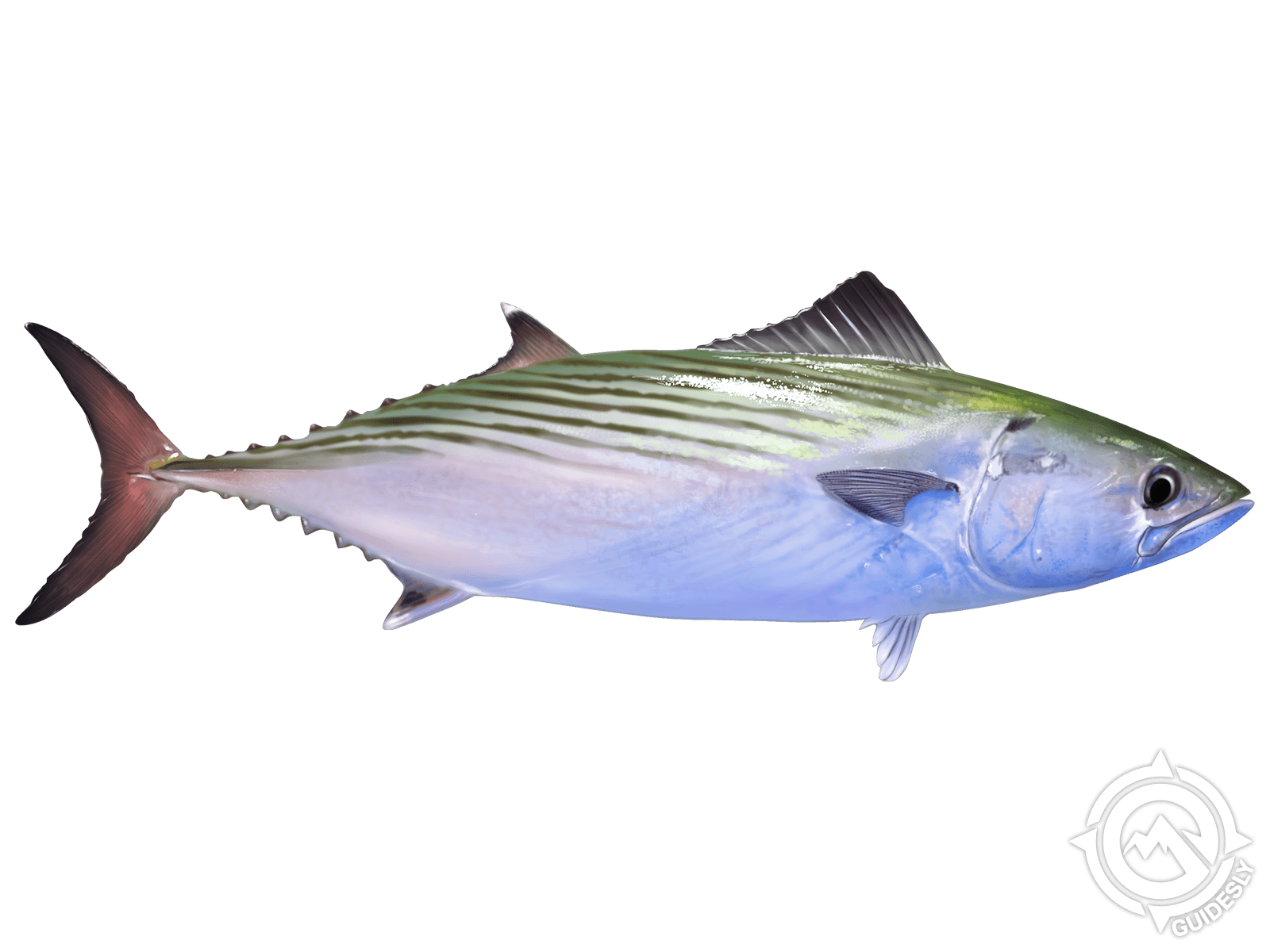
The Atlantic Bonito (Sarda Sarda) is a sleek, high-speed predator belonging to the Scombridae family within the order Perciformes. This mackerel-like fish is instantly recognizable by its silver body adorned with a blueish-green dorsal fin and striking black stripes running along its sides. Often mistaken for white tuna or called by its alternate names—false albacore or little tunny—the Atlantic Bonito is a fascinating species that commands respect among coastal anglers. What makes this fish truly remarkable is its torpedo-shaped body with an exceptionally narrow caudal peduncle, which enables it to rocket through the water at speeds reaching 40 mph. Whether you're fishing the Atlantic coast or exploring marine ecosystems, encountering a feeding school of Atlantic Bonito is an unforgettable experience that showcases nature's raw power and efficiency.
Atlantic Bonito Overview
The Atlantic Bonito is a pelagic powerhouse found throughout the Atlantic Ocean's coastal waters, ranging from Nova Scotia in the north all the way down to Argentina in South America. This migratory species thrives in nearshore and reef environments, and while it's scarce in the Gulf of Mexico, it's incredibly abundant along the eastern seaboard. The fish is particularly popular in Mediterranean and Black Sea regions, where it's often canned and consumed as a food staple. In the United States, however, the Atlantic Bonito is rarely used for consumption due to its oily composition, making it a catch-and-release favorite or occasional baitfish for anglers pursuing larger game species.
Atlantic Bonito Habitat and Distribution
Atlantic Bonito inhabit coastal Atlantic waters extending from Nova Scotia southward along the entire eastern seaboard through to Argentina. These fish prefer pelagic (open water) environments rather than bottom-dwelling zones, and they're most commonly encountered in nearshore and reef habitats. They've adapted to gradual temperature transitions and thrive best in water temperatures ranging from the 60s, though they can survive in waters as cold as the 50s. Occasionally, they venture into brackish saltwater areas, but their primary domain remains the open Atlantic. Their presence in the Mediterranean Sea and Black Sea demonstrates their adaptability to varied marine environments, where they've become an important commercial species for canning operations.
Atlantic Bonito Size and Weight
Typical Atlantic Bonito specimens range from 8 to 36 inches in length, with average weights between 10 to 12 pounds. However, these fish can grow considerably larger under optimal conditions, with documented sizes reaching up to 30 inches and weights approaching 12 pounds for common catches. The world record specimen is a remarkable 18 pounds 4 ounces, caught in the Azores and standing as a testament to the species' growth potential. The average lifespan of an Atlantic Bonito is approximately 15 to 18 years, allowing them to reach substantial sizes in their maturity. For anglers, this size range makes them an exciting target—large enough to provide a thrilling fight yet manageable enough for recreational fishing success.
Atlantic Bonito Diet and Behavior
The Atlantic Bonito is a ram ventilator, meaning it cannot bite and must consume prey whole. This unique feeding adaptation defines much of its hunting behavior—it pursues schools of smaller fish including mackerel, menhaden, alewives, sardines, and sand lance with relentless speed and aggression. One of the most visually distinctive behaviors is how schools of Atlantic Bonito swim with their dorsal fins raised above the water surface, creating an appearance eerily similar to a school of small sharks. These massive schools feed actively at the surface, often breaching and jumping in pursuit of prey—a telltale sign that draws both seabirds and savvy anglers to their location. When feeding, they're incredibly aggressive and will strike almost any lure or bait presented to them. Larger predators such as tuna, marlin, and wahoo hunt Atlantic Bonito themselves, keeping them constantly alert and mobile.
Atlantic Bonito Spawning and Seasonal Activity
As a migratory species, Atlantic Bonito exhibit seasonal movement patterns tied to water temperature and prey availability. They adjust to gradual temperature changes throughout the year, shifting their range northward during warmer months and southward as temperatures cool. This migration pattern makes them more prevalent along the northeastern coast during summer and fall months, with activity concentrated in nearshore feeding zones where baitfish congregate. While specific spawning dates aren't extensively documented in common fishing literature, their presence along various coastal regions suggests breeding occurs in multiple locations throughout their expansive range. Anglers can capitalize on these seasonal shifts by targeting areas where warming waters trigger increased surface feeding activity.
Atlantic Bonito Techniques for Observation or Capture
Trolling with Fast-Moving Lures: The most effective approach involves trolling fast-moving lures or live bait behind a moving boat. Once you locate a feeding school—often visible by their distinctive dorsal fins breaking the surface or by following seabirds—maintain speed and cast fast-moving plastic lures, metal jigs, or epoxy combinations directly into the school. Plastic lures offer excellent flexibility and don't sink as quickly as metal, keeping your bait in the strike zone longer. For windy conditions, metal lures provide superior casting distance and control. Menhaden, mackerel, squid pieces, and sand lance work exceptionally well as live bait alternatives.
Live Bait Presentation: Presenting live mackerel, menhaden, or sand lance near reef structures and nearshore drop-offs capitalizes on the Atlantic Bonito's natural feeding patterns. Cast live bait into areas where you've spotted feeding activity or where schools are known to congregate. The species' aggressive nature means strikes typically come within seconds of a proper presentation. This method is particularly effective during peak feeding windows in late morning and afternoon hours.
Localized Tip: Around the Atlantic coastal regions from Massachusetts to the Carolinas, look for Atlantic Bonito schools in late summer and early fall when they're actively feeding in preparation for migration. Watch for diving seabirds and surface disturbance as your primary indicators, then position your boat to intercept the school's movement pattern rather than casting directly at them.
Atlantic Bonito Culinary and Utilization Notes
In the United States, the Atlantic Bonito is rarely consumed due to its high oil content and strong flavor profile, making it less desirable for fresh table fare compared to other game fish. However, in Mediterranean and Black Sea regions, this species is highly valued and frequently processed into canned products, often marketed as canned tuna. The fish's oily composition, while limiting its appeal in American cuisine, actually makes it an excellent baitfish for pursuing larger predators like tuna, marlin, and wahoo. Many U.S. anglers view a caught Atlantic Bonito as either a bonus catch while targeting other species or as a ready-made bait for bigger game. Importantly, the Atlantic Bonito has no size or bag regulations in the United States, allowing anglers complete freedom in their pursuit and retention policies.
Atlantic Bonito Frequently Asked Questions
Q: What is the best bait or lure for catching Atlantic Bonito?
A: Live bait such as menhaden, mackerel, sardines, and sand lance work exceptionally well. For lures, fast-moving plastic options are ideal for most conditions, while metal jigs perform better in windy weather. Epoxy jigs provide an excellent middle ground combining the benefits of both materials. The key is matching the speed of your retrieve to the fish's hunting intensity—when they're feeding aggressively, almost any fast-moving lure will trigger strikes.
Q: Where can I find Atlantic Bonito near my location along the Atlantic coast?
A: Atlantic Bonito are found from Nova Scotia southward along the entire eastern seaboard through to Argentina, with peak concentrations in nearshore and reef environments. Summer and fall months see increased activity along the northeastern coast, while southern populations remain year-round. Check with local fishing reports and look for feeding schools identified by raised dorsal fins and seabird activity as your best location indicators.
Q: Is Atlantic Bonito good to eat?
A: In the United States, Atlantic Bonito is not typically consumed due to its oily composition and strong flavor. However, in Mediterranean and Black Sea regions, it's a valued food fish often canned and marketed as canned tuna. Most American anglers use Atlantic Bonito as baitfish for larger predators rather than for personal consumption, and there are no size or bag regulations limiting your catch.
Q: What's the difference between Atlantic Bonito and white tuna?
A: Atlantic Bonito is frequently confused with white tuna, but they are distinct species. Atlantic Bonito, also called false albacore or little tunny, belongs to the Scombridae family and is characterized by its black stripes, blueish-green dorsal fin, and narrower body profile. Learning to distinguish the striping pattern and body shape will help you correctly identify Atlantic Bonito during your fishing adventures.
Q: When is the best time to catch Atlantic Bonito?
A: Atlantic Bonito are most active during late morning and afternoon hours when surface feeding peaks. Seasonally, late summer and early fall offer peak fishing opportunities along the northeastern coast as the fish prepare for migration. Look for these fish when water temperatures are in the 60s, and watch for visible feeding activity including jumping, breaching, and dorsal fins breaking the surface.
Q: How fast can Atlantic Bonito swim?
A: Atlantic Bonito are remarkably fast swimmers capable of reaching speeds up to 40 mph, thanks to their torpedo-shaped body and narrow caudal peduncle. This speed advantage allows them to chase down and capture small fish like mackerel, menhaden, and sardines with remarkable efficiency, and it's also why they're thrilling to hook for recreational anglers.